
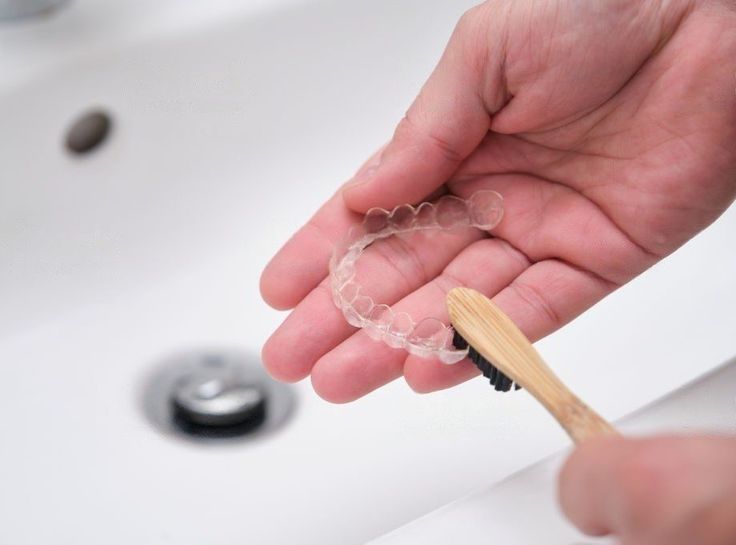
Starting your clear aligner journey is exciting - but keeping those trays clean and in good shape is where many patients quietly struggle. Unlike braces, aligners are removable, which means the responsibility of maintaining them falls entirely on you. Done right, proper care prevents staining, bad odour, bacterial build-up, and even treatment delays. Done poorly, it can compromise both your oral health and the effectiveness of your aligners. This guide walks you through exactly what to do, when to do it, and what to realistically expect at each stage of your treatment - so you can stay on track from the very first tray to the very last.
Understanding Why Aligner Hygiene Matters So Much
Clear aligners sit snugly against your teeth for 20 to 22 hours a day. That close contact means any bacteria, food particles, or plaque on the tray goes straight onto your enamel - and stays there. Over time, neglected aligners turn cloudy, develop an unpleasant smell, and become a breeding ground for the same bacteria responsible for cavities and gum disease.
Beyond the hygiene aspect, dirty aligners can also affect how well they fit. Residue build-up around the edges can cause micro-warping and reduce the precision of tooth movement. Considering that every tray is engineered to shift your teeth by fractions of a millimetre, even small distortions matter.
If you are already thinking about the
Invisible aligners cost in Bharat Nagar, understand that a consistent cleaning routine protects that investment considerably.
Your Daily Cleaning Routine: What to Do Morning, Afternoon, and Night
Morning: Start Fresh
The first thing you should do every morning - before putting your aligners back in - is rinse and gently clean them. Saliva pools inside the tray overnight, creating an environment where bacteria multiply rapidly. Use a soft-bristle toothbrush and a small amount of clear, unscented soap to brush the tray lightly on all surfaces. Avoid toothpaste at this stage; most toothpastes are mildly abrasive and will scratch the plastic over time, making the aligner look dull.
After Every Meal: The Non-Negotiable Step
Always remove your aligners before eating or drinking anything other than plain water. Once you have finished your meal, rinse your mouth and brush your teeth before reinserting the trays. If brushing is not possible (say, you are at work or travelling), at the very least rinse your mouth thoroughly with water. Putting aligners back over unclean teeth traps food and sugars against your enamel for hours.
Night: Deep Clean Before Bed
The evening routine deserves the most attention. Brush and floss your teeth carefully, then soak your aligners in a dedicated
aligner cleaning solution or plain retainer crystals for 15 to 20 minutes. After soaking, give them one more gentle brush and rinse well under lukewarm water - never hot, as heat warps the plastic. Store them in their case if you are not wearing them, not wrapped in a tissue or left on the bathroom counter.
Products That Help (and a Few You Should Avoid)
Recommended Cleaning Options
Retainer cleaning tablets such as Retainer Brite or similar products dissolve in water and do a thorough job of removing build-up without scratching. Clear, mild dish soap is another gentle and affordable option. Some orthodontists also recommend diluted white vinegar soaks (one part vinegar, one part water, for about 20 minutes) as a natural antibacterial rinse. Whatever you use, always follow up with a plain water rinse before reinserting.
What to Avoid
Stay away from coloured or scented mouthwash - it can stain your aligners. Avoid anything alcohol-based, which dries and weakens the plastic. Never use boiling or very hot water, and resist the urge to use harsh whitening toothpastes on the tray itself. These seem harmless but create tiny surface scratches that harbour bacteria and cloud the aligner's transparency.
Timeline and What to Expect at Each Stage of Treatment
Most clear aligner treatments span anywhere from 6 to 18 months, depending on the complexity of your case. Each tray is worn for about 1 to 2 weeks before you progress to the next set. Here is a rough sense of how your maintenance experience evolves over time.
Weeks 1 to 4: The Adjustment Phase
New wearers often find the routine a bit cumbersome at first - removing aligners before every snack, carrying a travel toothbrush, remembering to soak before bed. This is normal. By the end of the first month, most people have internalised the routine entirely. You may also notice light pressure or mild soreness when switching to a new tray, which usually settles within a day or two.
Months 2 to 6: The Rhythm Phase
By this point, your cleaning habits should feel second nature. Schedule a check-in with your dentist every 6 to 8 weeks during this period. They will assess your progress, hand over the next set of trays, and check for any signs of enamel stress or gum irritation.
A good Dental clinic in Nagpur will also monitor whether your bite is shifting as planned and make any necessary refinements to the treatment plan.
Final Trays and Retainers: Keeping What You Have Achieved
As you near the end of active treatment, your orthodontist will likely recommend retainers to maintain your new alignment. Retainers follow the same cleaning principles as aligners. Many patients are surprised to learn that retainer care is a lifelong habit - teeth have a natural tendency to shift back, and consistent retainer wear prevents that from happening.
Practical Preparation Tips Before You Begin Treatment
A little preparation before your first tray arrives can make the entire experience smoother. Stock up on a dedicated aligner case, a travel toothbrush and toothpaste, retainer cleaning tablets, and a small mirror for on-the-go checks. Create a habit around meal times - always remove, always clean, always reinsert. Some patients set phone reminders for the first few weeks until the pattern is automatic.
It is also worth having an honest conversation with your dentist about the full scope of your treatment before you start.
Understanding the Transparent teeth aligners cost, the number of trays involved, and the expected timeline helps you plan practically - both financially and in terms of your daily schedule.
Conclusion
Maintaining clear aligners properly is not complicated, but it does require consistency. A simple morning and evening routine, combined with mindful habits around meals, is genuinely enough to keep your trays clean, clear, and effective throughout treatment. Think of it less as extra effort and more as an extension of your regular oral hygiene practice. The results - straighter teeth, a healthier mouth, and the confidence that comes with it - are absolutely worth the discipline. If you are ready to take the next step or have questions about starting treatment, consider reaching out to a qualified dental professional who can guide you personally.
Frequently Asked Questions
How many times a day should I clean my aligners?
At a minimum, clean your aligners twice a day - once in the morning and once at night. Rinsing them under lukewarm water every time you remove them throughout the day is also strongly recommended to prevent bacteria and residue from building up between deeper cleans.
Can I use toothpaste to clean my clear aligners?
It is best to avoid regular toothpaste on your aligners. Most toothpastes contain mild abrasives that scratch the aligner surface over time, making them look cloudy and creating microscopic grooves where bacteria can settle. A soft toothbrush with clear soap or a retainer cleaning solution works much better.
What happens if I forget to wear my aligners for a day or two?
Missing a day or two occasionally is unlikely to derail your treatment, but it is not something to make a habit of. Aligners work through consistent, gentle pressure - so the more hours you skip, the longer your treatment may take. If you have missed significant wear time, consult your dentist before moving to the next tray in the sequence.
How do I get rid of bad smell from my aligners?
A persistent odour usually indicates bacterial build-up. Soak your aligners in retainer cleaning crystals or a diluted white vinegar solution for 15 to 20 minutes, then rinse and gently brush them. Improving your overall cleaning frequency often resolves the issue within a day or two. If the smell persists despite thorough cleaning, mention it to your dentist at your next visit.
Is it safe to drink hot tea or coffee with aligners in?
No - hot beverages can warp the plastic of your aligners and alter their fit, which directly affects how they move your teeth. Hot drinks can also stain the trays. Always remove your aligners before any beverage other than plain, room-temperature water, and reinsert them only after rinsing your mouth.
Source: medium.com